ACLJ Pakistani Team Secures Victory for Family in Bonded Labor
Listen tothis article
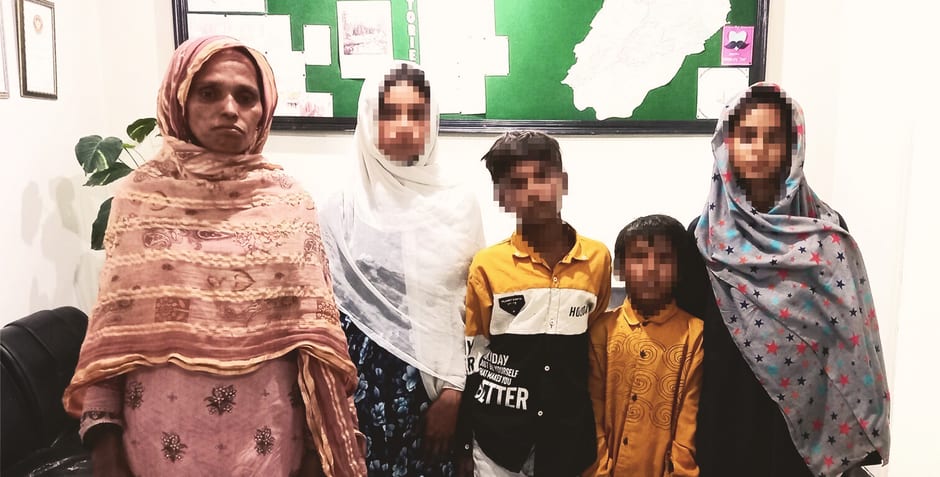
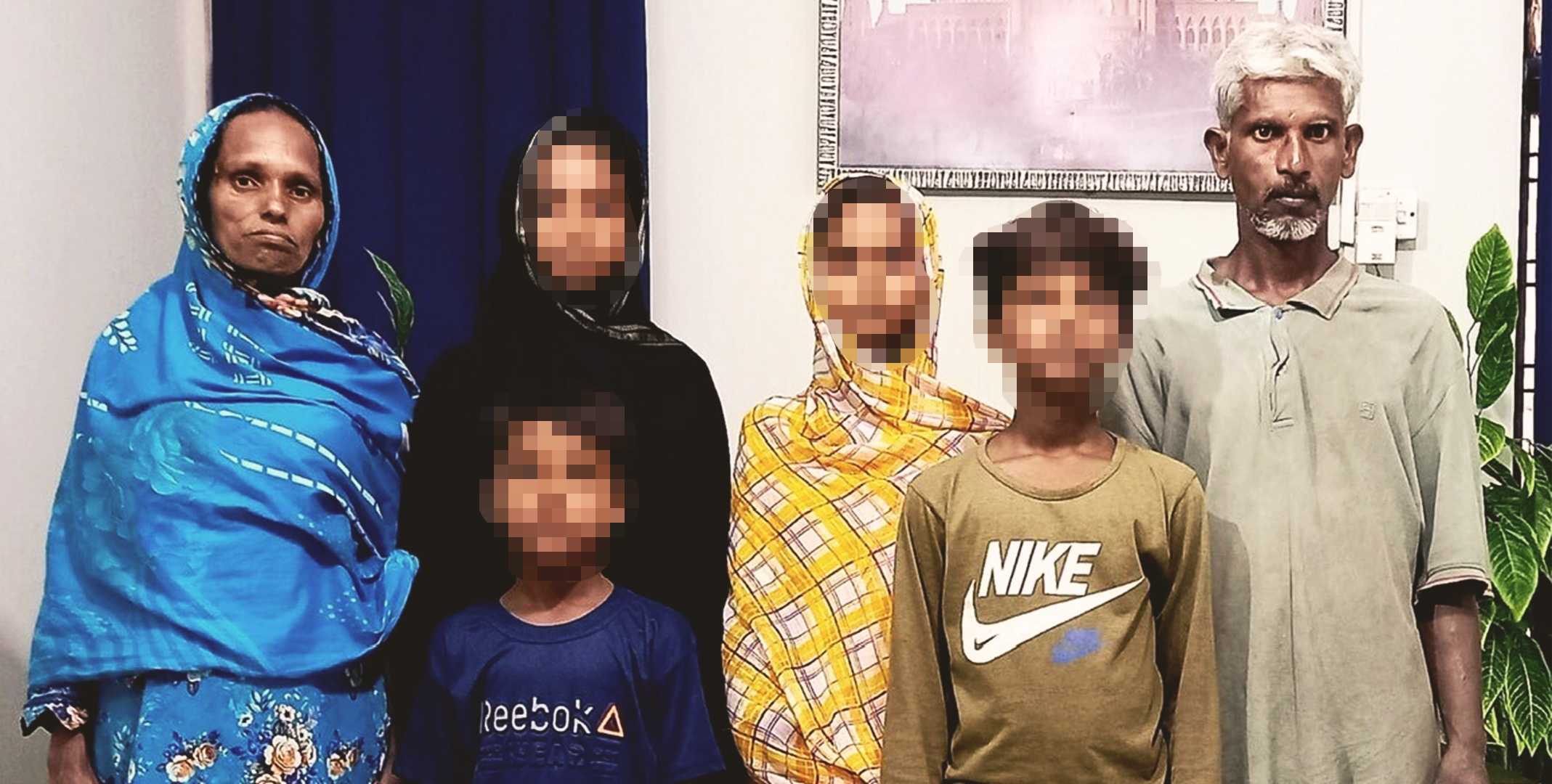
A family of six worked side by side in the fields for years, tending someone else’s cattle from dawn to dusk – only to learn their combined labor wasn’t paying off a debt at all. It was deepening. Trapped, underfed, and forbidden from leaving, Rafaqat Masih and his family had essentially become modern-day slaves on a Pakistani farm. Thanks to our international affiliate, the Organization for Legal Aid (OLA), they are free today.
Since 2018, Rafaqat Masih, his wife Zahida, and their four children had labored on an agricultural farm owned by a Muslim man, Abdul Haq, caring for his cattle from sunup to sundown. All six of them worked, yet together they earned just 15,000 rupees a month – about $60. In exchange, Abdul Haq gave them a small living quarter near the farm and a bit of milk and grain to survive on.
The family’s ordeal came to light only after Zahida and her four children learned about the OLA’s work from a former client. On July 2, they came to the OLA’s office in Lahore and told our team about their life on the farm.
Four years earlier, the family had borrowed 100,000 rupees – about $320 – to cover an urgent expense. Under their agreement with Abdul Haq, the loan was to be repaid through installments deducted from their monthly salary. Instead, he stopped paying them altogether and gave them only a meager amount of food in return for their labor.
Rafaqat and his family were not allowed to leave or find other employment. Two years later, Abdul Haq claimed the loan amount had increased to 700,000 rupees (approximately $2,240). Zahida also told our team that her husband was frequently forced to work long hours, sometimes without returning home for extended periods.
As we have discussed in our previous blogs, the Constitution of Pakistan prohibits bonded labor. However, until about 30 years ago, there were no statutory or procedural mechanisms providing punishment or remedies. This changed in 1992 when the Parliament of Pakistan passed the Bonded Labour System (Abolition) Act.
The law discharged all existing bonded debts and outlawed any act of forced labor (Section 4). Moreover, anyone who violates it by compelling bonded labor shall be “punish[ed] with imprisonment for a term which shall not be less than two years nor more than five years, or with fine which shall not be less than fifty thousand rupees, or with both” (Section 11). Practices, agreements, traditions, and other things of such effect that require any person, or a family member, to work as a bonded laborer are rendered “void and inoperative” (Section 5).
Any obligation to repay a bonded debt is extinguished by the Act, and nothing can be done by a creditor to recover a bonded debt (Section 6). For bonded debts deemed extinguished, the Act prohibits a creditor from even accepting a bonded laborer’s payment (Section 8). If they do, they are “punishable with imprisonment . . . or with fine.” On top of that, the court may order them to deposit the amount they accepted so it can be refunded to the laborer (Section 8). Even if both parties have consented to a bonded labor arrangement, it is not enforceable.
In light of the prohibition against bonded labor, on July 24, our team filed a habeas corpus petition before the Lahore High Court on behalf of Zahida, her husband, and their four children. The court directed the local police to raid the farm, recover the family, and bring them to court the next day. The judge heard their testimony and ordered the family set free.
While it is possible to file charges against Abdul Haq under the Bonded Labour Act, it is not feasible for poor families like Masih’s to pursue such a course of action as it can cause more hardship. Instead, the best course for them is to find other employment and move on with their lives.
We thank ACLJ supporters who continue to pray for and support our work. We are thankful that such prayers and support lead to victories like this, which then encourage our team at home and abroad to press on, continuing to fight for our brothers and sisters in Christ.