Major Victory: Supreme Court Rejects Emergency Bid To Block Texas App Store Accountability Act
Listen tothis article
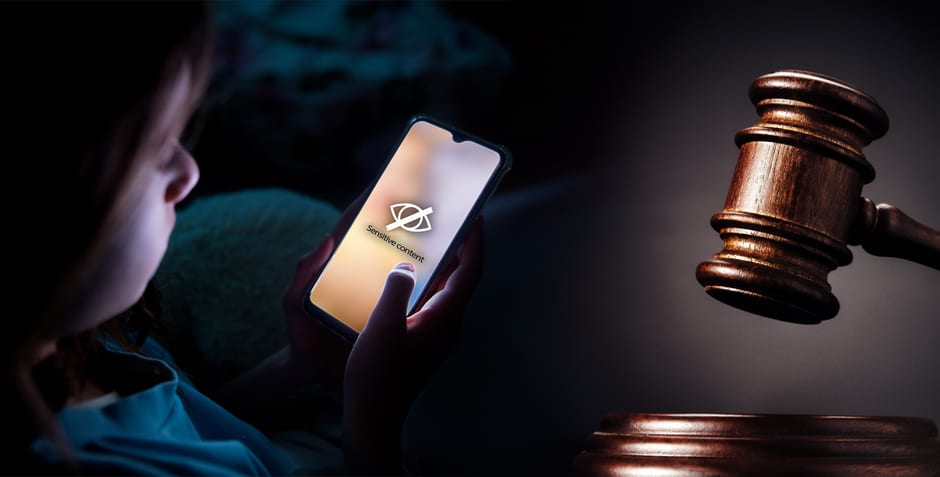
This week, the United States Supreme Court denied the emergency applications seeking to halt the enforcement of Texas’ App Store Accountability Act (SB 2420). The applicants turned to the high Court after the U.S. Court of Appeals for the Fifth Circuit paused a district court injunction and allowed the law to take effect while the appeal proceeds.
The ACLJ had filed an amicus brief urging the Supreme Court to reject the emergency requests, and that is exactly what happened. As a result, Texas’ law remains in effect while the Fifth Circuit considers the merits of the appeal. This victory is a critical step to ensure the protection and restoration of parental rights.
Our brief emphasized that SB 2420 is firmly rooted in longstanding constitutional principles recognizing parents’ fundamental right to direct the upbringing of their children. In our filing, we argued that the law does not regulate speech based on content. Nor does it empower government officials to decide what information minors may access. Instead, it simply restores the traditional parental gatekeeping role that technology has increasingly bypassed.
We also explained that Texas has compelling interests in protecting children from the well-documented harms associated with unrestricted app access while ensuring that parents retain meaningful authority over their children’s digital lives.
As we previously explained, the central question of this case is: Who decides what apps a child can access – parents or Big Tech? Our answer remains unchanged: Parents should decide. Texas enacted SB 2420 to restore parental authority in the digital age.
We mentioned that this law requires app stores to verify users’ ages, classify accounts as adult or minor accounts, and obtain parental consent before minors download apps or make in-app purchases. We noted in our Supreme Court filing that the law does not ban content, censor speech, or restrict adults’ access to apps. Instead, it returns decision-making authority to the people who have always possessed it – parents.
In May, we filed an amicus brief in the Fifth Circuit defending the law. As we explained, this case is not just about Texas. It is part of a growing national movement to ensure that parents – not Big Tech – remain the primary decision-makers in their children’s lives.
When opponents of the law persuaded a district court to issue an injunction, Texas appealed. The Fifth Circuit stayed that injunction after Texas’ attorneys successfully argued that the district court made critical errors when striking down SB 2420. The challengers immediately sought emergency intervention from the Supreme Court, asking the Justices to reverse the Fifth Circuit and once again block enforcement of the law before the court of appeals completes its review. This attempt failed.
This outcome is especially important because every day the law remains in effect is another day parents – not Big Tech – have authority over the apps children download and use.
For more than a century, the Supreme Court has recognized that parents possess the primary responsibility and authority to direct the upbringing of their children. Those principles do not disappear simply because childhood now includes smartphones, app stores, and digital marketplaces. Constitutional protections for parental rights remain as vital as ever in the digital age.
The ACLJ will continue defending parental rights, protecting children online, and ensuring that families – not government bureaucrats and not Big Tech corporations – remain in the driver’s seat when it comes to decisions affecting their children.
Take action with the ACLJ. Sign the petition: Stop the Radical Left’s Assault on Parents.