The Fate of the Kurds Is Critical to Syria’s Future
Listen tothis article
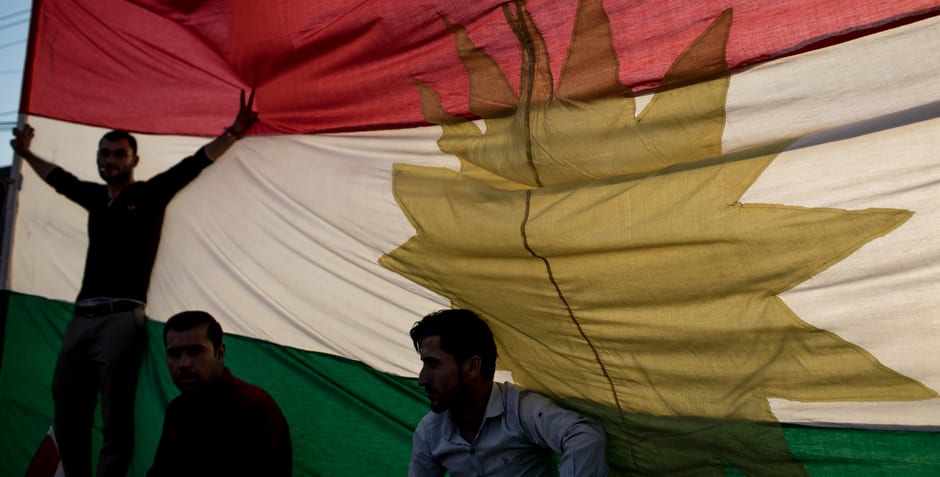
The military and political drubbing of the Kurdish-led, U.S.-allied Syrian Defense Forces (SDF) by Syrian President Ahmed al-Sharaa is an extremely dangerous development – putting prospects for peace in Syria and the wider region in serious jeopardy. If reports that the U.S. effectively abandoned our allies to this fate are correct – and worse, that we may be preparing to withdraw our last remaining forces from Syria altogether – we could be setting the stage for disaster.
Just one month after the U.S. granted significant sanctions relief to the new Syrian government, al-Sharaa has gone back on his assurances of moderation and respect for minority rights in Syria and pursued a bold campaign to consolidate power. Make no mistake – al-Shaara’s actions could precipitate a major crisis in the form of mass displacement, ethnic cleansing, and the possible reemergence of ISIS as a powerful player inside Syria and as a global terrorist threat.
Remember: The Kurds have been one of America’s most steadfast and valuable allies in the fight against ISIS in Iraq and Syria. Kurdish fighters, including the SDF, have consistently battled America’s worst enemies – jihadist groups like ISIS, al-Qaeda, and others – sparing American blood and treasure and defending our interests as trusted partners on the ground. Indeed, the SDF was one of the key forces on the ground helping President Trump to destroy the ISIS caliphate in his first Administration – one of the signature achievements of his presidency.
Take action with the ACLJ and add your name to the petition: Protect Persecuted Christians in Syria From Genocide.
If we renege upon our commitment to the SDF, we will not only lose the trust of a valuable, loyal, and proven ally in an extremely difficult region, but we’ll be putting our fate in the hands of an untested Syrian government that could turn out to be a bad actor. This could undermine our security both directly (by empowering dangerous forces inside Syria) and indirectly (by corroding our credibility and deterrence more broadly).
It’s understandable that the Trump Administration hoped it could work with the new Syrian government to build a better future for this benighted country. However, President al-Sharaa’s own background as the leader of an al-Qaeda affiliate suggests that Washington may have been overly optimistic. Not only that, but the Syrian Ministry of Defense is filled with Islamists, and ongoing attacks against religious and ethnic minorities over the past year suggest that the government lacks either the capacity or the will to protect them. Given that context, the decision to lift sanctions clearly removed an important source of leverage over this untested new government, and we’re now reaping the consequences.
We need to reorient our policy on Syria, starting by reasserting our commitment to our Kurdish allies to make it clear to al-Shaara and the world that America does not turn its back on its allies, and will not stand by to watch another Islamist takeover of Syria. The Administration and Congress should start by working to swiftly reimpose sanctions as a way to pressure al-Sharaa to honor his promises to protect Syria’s minorities; pull back from the military campaign against the SDF; and crack down on any resurgence of ISIS or other terrorist groups.
President Trump has proven his willingness to deploy hard power to secure American interests; he should make it clear to al-Shaara that he is prepared to do the same if Syria continues on its present course.
Take action with the ACLJ and add your name to the petition: Protect Persecuted Christians in Syria From Genocide.