Reliving 9/11 in 2010
As voted by the Religion Newswriters Association's members, among the year's most consequential religion newsmakers were Imam Feisal Abdul Rauf, Pope Benedict XVI, Glenn Beck and Sarah Palin, and the U.S. bishops.
How would you have ranked them? Has their influence been harmful or constructive? What issue or person do you expect to have the biggest impact in the year to come?
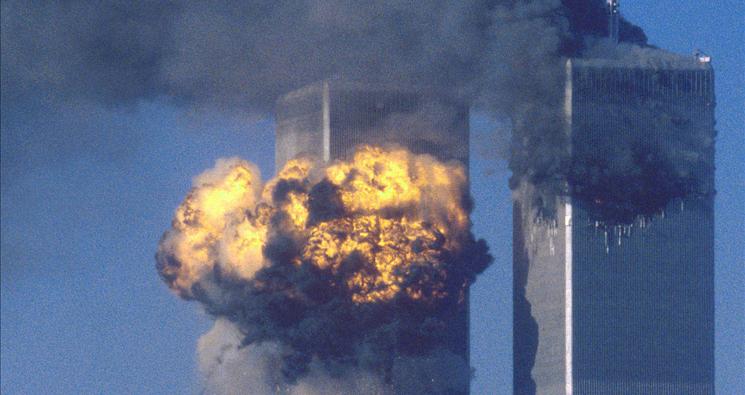
During a vigorous national debate about whether two blocks from Ground Zero was an appropriate place for a mosque, America revisited 9/11 through imagery, family members and victims discussing their experiences. More than nine years after the attacks, America was ready to ask tough questions of "moderate" Islam.
As Americans chose sides, politicians facing midterm elections were forced to take a position on the Ground Zero Mosque, and Islam was under a microscope for the first time since the attacks.
We learned some interesting, disturbing things. In one of my first posts for On Faith, I quoted Imam Rauf's book "What's Right with Islam is What's Right for America: A New Visions for Muslims and the West." He wrote, "For America to score even higher on the 'Islamic' or 'Shariah Compliance' scale, America would need to do two things: invite the voices of all religions to join the dialogue in shaping the nation's practical life, and allow religious communities more leeway to judge among themselves according to their own laws."
You can read the complete article here. Please leave your comments on the Washington Post site.
Please note that in discussing political issues, candidates positions and political party statements, Jordan Sekulow is offering analysis in his individual capacity as lawyer and commentator. He is not speaking on behalf of the American Center for Law & Justice. The ACLJ does not endorse or oppose candidates for public office. Nothing contained in this article should be construed as the position of the ACLJ.