How Abortion Frames Conservative Politics
With all due apologies to Charles Dickens, when it comes to faith, politics, and the presidential race, it is the best of times, and it is the worst of times.
First, the good times. For Christian voters there is a lot to like about the leading Republican contenders. Unlike in 2008, when the Republican nominee was famously indifferent or even hostile to religious conservatives (previously calling some of them “agents of intolerance”), Michele Bachmann, Mitt Romney, and Rick Perry not only embrace religious voters, they’re faithful members of their own churches.
Michele Bachmann has a personal story that would land her a Hollywood film deal if she were liberal. A mother of five and foster mother of 23, she jumped into politics when she saw the appalling deficiencies of her foster children’s public education. From the moment she stepped into public life, she’s been a fierce advocate of life, traditional marriage, and our nation’s founding principles. In many ways she’s a poster child of the evangelical engagement advocated by Francis Shaeffer and others in the aftermath of Roe v. Wade.
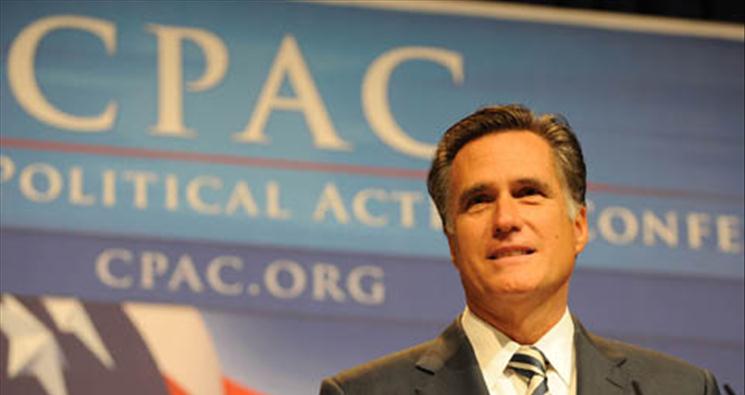
While Mitt Romney’s LDS faith is controversial with many evangelical voters, even that controversy demonstrates the seriousness and vitality of faith in America. His record in public office demonstrates a commitment to life, marriage, and religious liberty. In 2007, Massachusetts Citizens for Life gave him a leadership award, and in 2008, the Becket Fund for Religious Liberty awarded Romney and his wife, Ann, its Canterbury Medal for “courage in the defense of religious liberty.” Put simply, while there are theological differences between Mormons, Catholics and evangelicals, there’s no daylight between them on core moral issues. . . .
Please continue reading this article by ACLJ Senior Counsel David French on the Washington Post's On Faith blog. Also, please keep the conversation going by registering to comment on the Washington Post site by posting your comments.